
Introduction
Choosing the right shampoo can make a big difference in the way your hair looks and feels. Sulfate Free Shampoo has become increasingly popular among people looking for a gentler way to cleanse their hair without excessive dryness.
But what exactly is sulfate-free shampoo? Is it better than regular shampoo? And which hair types benefit most from making the switch? In this guide, we’ll explain the benefits of sulfate-free shampoo, the ingredients to look for, potential drawbacks, and how to choose the right formula for your hair type.
What Is Sulfate Free Shampoo?
Sulfate Free Shampoo is a shampoo formulated without certain sulfate-based cleansing agents, particularly Sodium Lauryl Sulfate (SLS) and Sodium Laureth Sulfate (SLES).
Sulfates are surfactants that help shampoo remove oil, dirt, sweat, and styling-product buildup. They also create the rich lather that many people associate with a thorough wash.
Sulfate-free formulas use alternative cleansing ingredients instead. These formulas can provide effective cleansing while being less likely to strip as much oil and moisture from the hair.
According to the American Academy of Dermatology, choosing hair-care products based on your hair type and avoiding practices that cause excessive dryness or damage can help maintain healthier-looking hair.
Benefits of Sulfate Free Shampoo
Sulfate Free Shampoo Can Help Reduce Dryness
One of the main reasons people choose this Shampoo is to maintain more of their hair’s natural moisture.
Very strong cleansing can remove oils from the scalp and hair. For people with already-dry hair, this may leave the hair feeling rough or dehydrated.
A gentler cleanser can be a useful option if your hair tends to feel dry after washing.
Sulfate Free Shampoo May Help Control Frizz
Dryness can make curly, wavy, and textured hair appear more frizzy.
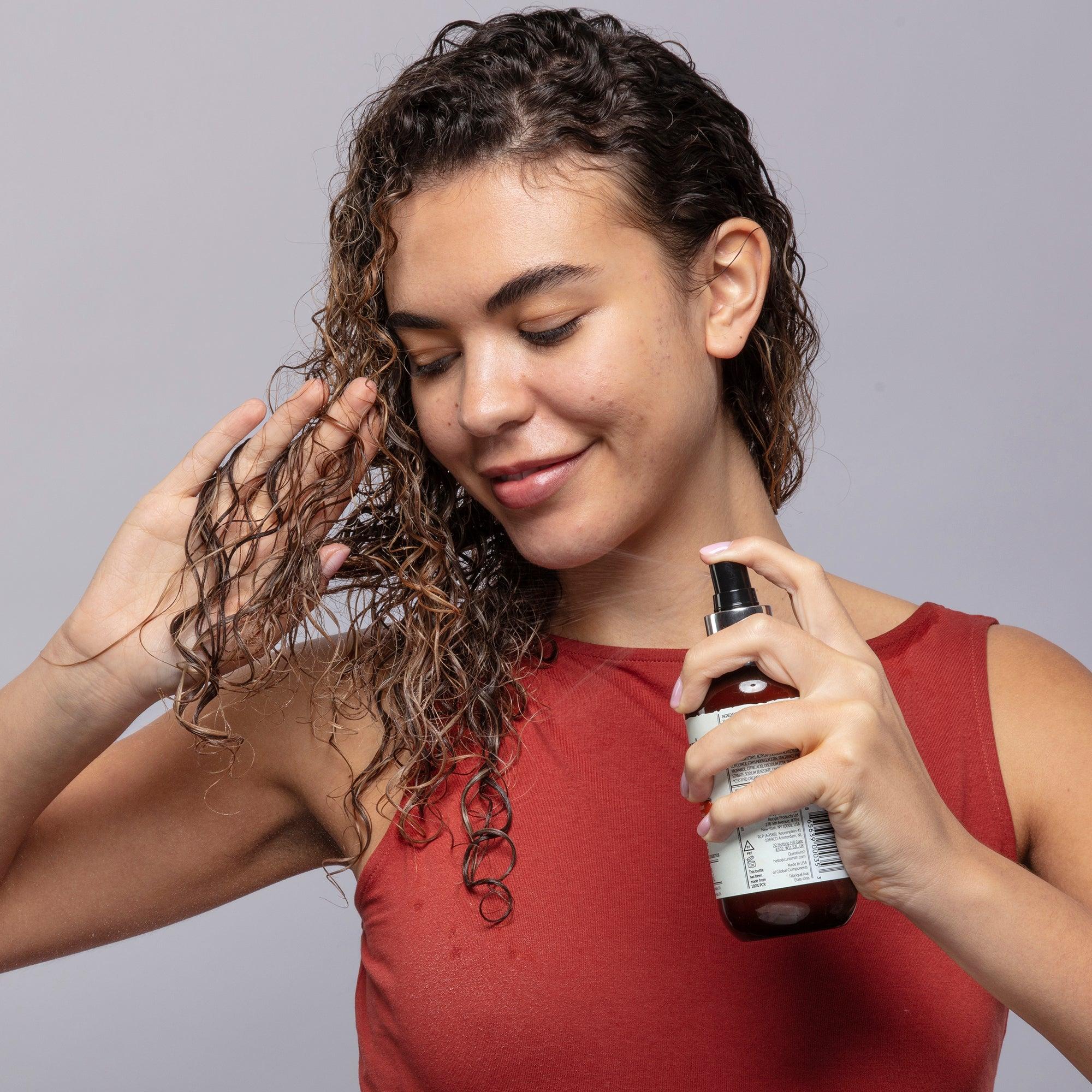
Using a gentler shampoo together with a moisturizing conditioner may help hair feel smoother and easier to manage.

For curly-hair readers, you can also link this article to your Leave-In Conditioner for Curly Hair guide
Sulfate Free Shampoo Is Popular for Color-Treated Hair
Color-treated hair requires special care because repeated washing can contribute to color fading.
A sulfate-free formula may be a good choice for people who want a gentler cleansing routine after coloring their hair. However, shampoo formulation matters more than the “sulfate-free” label alone, so look at the complete ingredient list and the product’s intended use.
Sulfate Free Shampoo Can Be Suitable for Curly Hair
Curly and coily hair often benefits from a moisture-focused routine. If your curls become dry or frizzy after shampooing, a sulfate-free formula may be worth trying. Pairing it with a good conditioner can help improve softness and manageability.
Sulfate Free Shampoo May Feel Gentler on Some Scalps
Some people find sulfate-containing shampoos irritating or drying. Switching to a milder cleanser may improve comfort.
However, scalp irritation can have many causes. If you experience persistent itching, redness, scaling, or discomfort, consider speaking with a dermatologist rather than simply changing shampoos.
Sulfate Free Shampoo vs Regular Shampoo
| Feature | Sulfate Free Shampoo | Regular Shampoo |
|---|---|---|
| Cleansing | Gentle to moderate | Moderate to strong |
| Lather | Usually less | Usually more |
| Moisture retention | Often better | Can be lower depending on formula |
| Curly hair | Often suitable | May feel drying for some people |
| Dry hair | Often suitable | Depends on formulation |
| Color-treated hair | Often preferred | Depends on formulation |
| Product buildup | May require additional cleansing | Often effective at removing buildup |
| Sensitive scalp | May be preferable for some | Can be irritating for some |
| Best choice | Depends on hair and scalp needs | Depends on hair and scalp needs |
How to Choose the Best Sulfate Free Shampoo
Not every sulfate-free shampoo is the same. The best option depends on your hair type, scalp condition, and styling routine.
Choose Sulfate Free Shampoo for Dry Hair
If your hair feels rough, brittle, or dehydrated, look for moisturizing ingredients such as:
- Glycerin
- Aloe vera
- Argan oil
- Shea butter
- Jojoba oil
- Plant-based conditioning ingredients
Avoid choosing a product solely because it says “sulfate-free.” A moisturizing overall formulation is more important.
Choose Sulfate Free Shampoo for Curly Hair
For curly hair, look for a formula designed to preserve moisture.
Ingredients such as glycerin, aloe vera, plant oils, and conditioning agents can be useful depending on your hair’s needs. After shampooing, follow with a conditioner or leave-in product to help maintain softness and curl definition.
Choose Sulfate Free Shampoo for Oily Hair
People with oily scalps may still use sulfate-free products, but they should choose a formula that provides adequate cleansing. If your scalp becomes greasy quickly, using too-gentle a cleanser may leave behind excess oil and styling-product residue.
Choose Sulfate Free Shampoo for Color-Treated Hair
Look for shampoos specifically labeled for color-treated hair. A gentle formula combined with less frequent washing, cooler water, and good conditioning can help maintain the appearance of colored hair.
Choose Sulfate Free Shampoo for Fine Hair
Fine hair can easily become weighed down by heavy oils and butters. Choose a lightweight formula and concentrate shampoo on the scalp rather than repeatedly scrubbing the lengths.
Ingredients to Look for in Sulfate Free Shampoo
Moisturizing Ingredients
Look for ingredients such as:
- Glycerin
- Aloe vera
- Panthenol
- Argan oil
- Jojoba oil
- Coconut-derived conditioning ingredients
These ingredients can support a more moisturizing hair-care routine.
Gentle Cleansing Ingredients
Sulfate-free shampoos can contain different types of surfactants. Examples include cleansing agents based on ingredients such as:
- Cocamidopropyl Betaine
- Sodium Cocoyl Isethionate
- Decyl Glucoside
- Coco-Glucoside
The exact formulation matters, so always check the complete ingredient list.
Ingredients You May Want to Avoid
If your scalp or hair is particularly sensitive, you may want to be cautious with products containing ingredients that personally cause irritation or dryness.
For example:
- Strong fragrances
- Certain essential oils
- Harsh cleansing agents
- Ingredients that have previously caused you irritation
Remember that an ingredient isn’t automatically “bad” simply because it appears on an online avoid list. Cosmetic ingredients can work differently for different people.
How to Use Sulfate Free Shampoo Correctly
Using the right technique is just as important as choosing the right product.
Step 1: Completely Wet Your Hair
Use lukewarm water to thoroughly saturate your hair before applying shampoo.
Step 2: Apply Sulfate Free Shampoo to the Scalp
Apply a small amount primarily to your scalp and massage gently with your fingertips. Avoid aggressively scratching or rubbing your scalp.
Step 3: Rinse Thoroughly
Allow the water to carry the shampoo through the lengths of your hair instead of repeatedly scrubbing the ends.

Step 4: Follow With Conditioner
Apply conditioner mainly to the mid-lengths and ends. For curly or particularly dry hair, consider adding a leave-in conditioner after washing.
Step 5: Dry Gently
Avoid vigorous towel rubbing. Instead, gently squeeze excess water from the hair and allow it to air-dry or use a suitable drying method.
How Often Should You Use Sulfate Free Shampoo?
There isn’t one ideal washing schedule for everyone.
Your frequency can depend on:
- Scalp oiliness
- Hair texture
- Exercise habits
- Styling-product use
- Environmental conditions
- Hair treatments
Someone with an oily scalp may need to wash more frequently than someone with dry, curly hair.
If your hair feels greasy or has significant product buildup, you may need more frequent cleansing or an occasional clarifying shampoo.
Is Sulfate Free Shampoo Better for Hair?
The best shampoo depends on your individual hair and scalp needs. For someone with dry, curly, chemically treated, or color-treated hair, a gentler shampoo may be a useful choice. Someone with a very oily scalp or significant styling-product buildup may prefer a stronger cleansing formula occasionally.
The goal isn’t simply to eliminate sulfates—it is to find a cleansing routine that keeps your scalp clean while maintaining comfortable, manageable hair. The American Academy of Dermatology also emphasizes tailoring hair-care practices to individual hair characteristics rather than relying on a single routine for everyone.
Common Sulfate Free Shampoo Mistakes
Using Too Much Shampoo
More shampoo doesn’t necessarily mean cleaner hair. Start with a small amount and add more only if necessary.
Expecting Extremely Thick Lather
Sulfate-free products may produce less foam. Less lather doesn’t automatically mean less effective cleansing.
Applying Too Much Product to the Ends
The scalp generally needs the most cleansing. Repeatedly applying large amounts of shampoo to already-dry lengths can contribute to dryness.
Never Clarifying Product Buildup
If you use dry shampoo, oils, gels, creams, or other styling products frequently, occasional deeper cleansing may be useful.
Frequently Asked Questions
Is Sulfate Free Shampoo good for curly hair?
Yes. it can be a good option for curly hair because curly hair often needs a moisture-focused routine. However, the entire formula and your individual hair needs matter.
Does sulfate-free shampoo cause hair growth?
No shampoo can guarantee increased hair growth. A suitable shampoo can help maintain a healthy scalp and reduce unnecessary hair damage, but hair growth depends on many factors.
Does sulfate-free shampoo clean your scalp?
Yes. Sulfate-free shampoos contain alternative cleansing agents that can remove oil, dirt, sweat, and product residue.
Can I use sulfate-free shampoo every day?
It depends on your scalp and hair type. Some people can use a gentle sulfate-free shampoo frequently, while others may need to wash less often.
Is sulfate-free shampoo good for colored hair?
It can be a suitable choice for color-treated hair, particularly when the formula is designed to be gentle and color-safe.
Final Thoughts
Choosing the right Sulfate-Free Shampoo can be a simple way to create a gentler hair-care routine, particularly if your hair is dry, curly, damaged, or color-treated. These formulas can help you cleanse your scalp while focusing on moisture retention and hair manageability.
However, there is no single shampoo that works perfectly for everyone. Consider your scalp, hair texture, moisture needs, styling routine, and the complete ingredient list before choosing a product.
For best results, combine your Shampoo with an appropriate conditioner, gentle washing technique, and consistent hair-care routine.
See Also:https://www.radiantglowlab.com/leave-in-conditioner-for-curly-hair/